
Archaeological evidence has established the earliest-known production of wine from fermenting grapes during the late Neolithic or early Chalcolithic in the Caucasus and the northern edge of the Middle East. An extensive gene-mapping project in 2006 analyzed the heritage of more than 110 modern grape cultivars, narrowing their origin to a region of Georgia.
It is such a familiar wine, almost a synonym for a not-too-fancy French red. Yet few wines can match Côtes du Rhône in exemplifying the myriad changes that have transformed the French wine industry in the last 20 years.
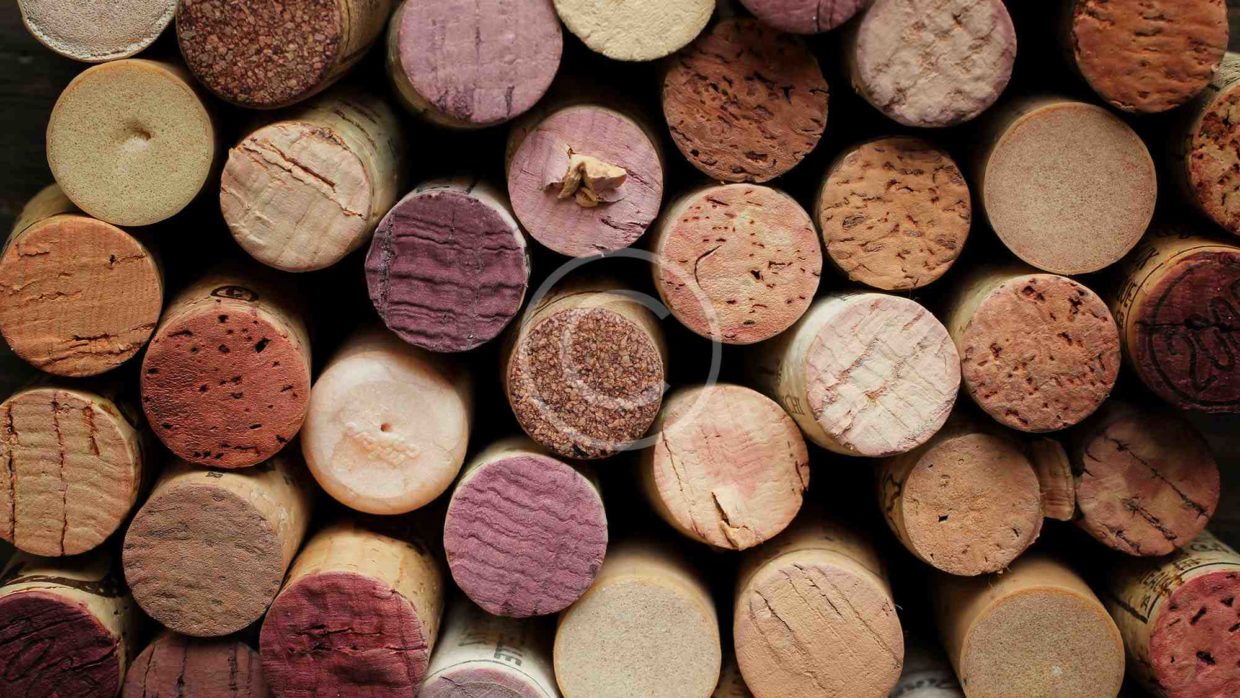
French winemakers, in their full-on selling mode, love to tell a story in which they serve their own invariably modest wares along with some competitors’ expensive, highly rated bottles. Everybody loves the expensive wines on first taste, but at the end of the meal, the winemakers recount with pride, the other guys’ bottles are still three-quarters full while their own have been drained dry and second bottles opened.

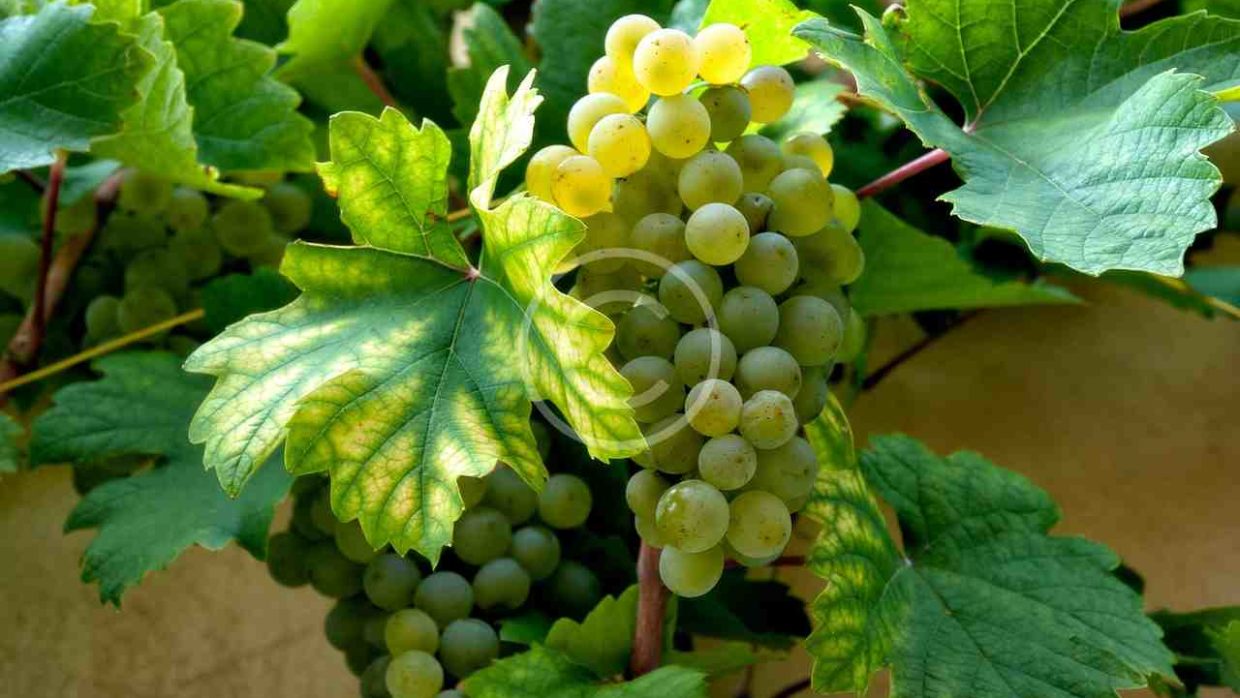
Wine is usually made from one or more varieties of the European species Vitis vinifera, such as Pinot noir, Chardonnay, Cabernet Sauvignon, Gamay and Merlot.
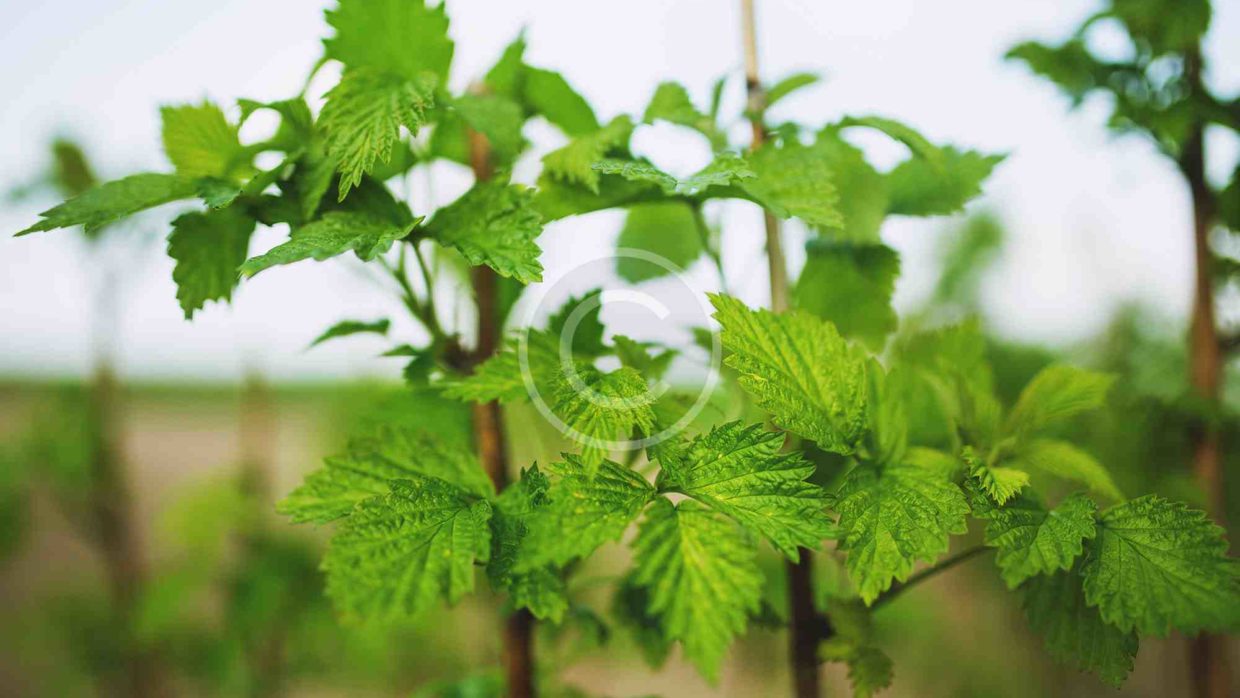
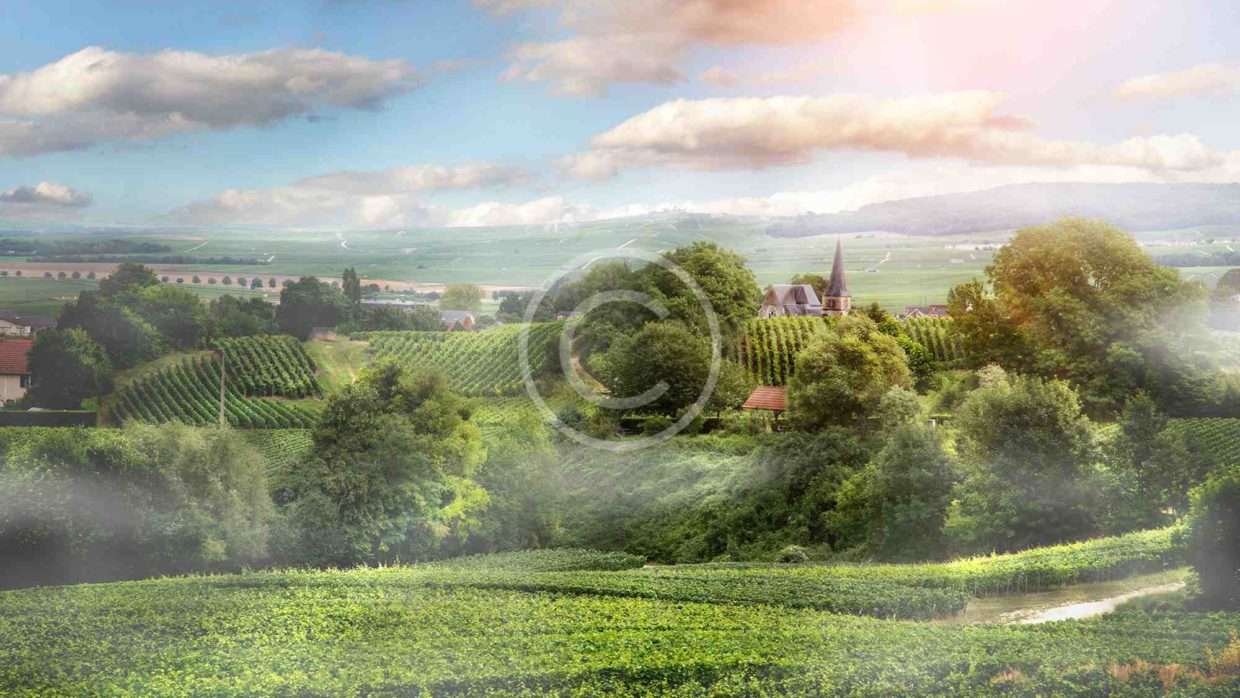
Our wine is a combination of hard work of our wine makers and the uniqueness of terroir; it is thoroughness on each stage of wine making and usage of up-to-date techniques, as well as it’s an environmental management and respect to our customers.
The roots of the modern Champagne industry were laid during the Industrial Revolution which saw vast leaps in understanding the method of making sparkling wine and improvements in the technology needed to make production more financially feasible. The French scientist Jean-Antoine Chaptal popularized the understanding that Champagne sparkled because it was sealed in a bottle
The early history of South African wine can be traced to the founding of a supply station at the Cape of Good Hope by the Dutch East India Company. Jan van Riebeeck was given the task of managing the station and planting vineyards to produce wine and grapes in the Wijnberg (Wine mountain Area); that
The influence of terroir means that wines from a particular region are unique, incapable of being reproduced outside that area, even if the grape variety and winemaking techniques are painstakingly duplicated. Winemakers in Burgundy do not believe that they are producing Pinot noir that happens to be grown in Burgundy, but that they are producing

Whether the wine is aging in tanks or barrels, tests are run periodically in a laboratory to check the status of the wine. Common tests include °Brix, pH, titratable acidity, residual sugar, free or available sulfur, total sulfur, volatile acidity and percent alcohol. Additional tests include those for the crystallization of cream of tartar (potassium
UNIQUE BLOG STYLE!



Traditionally New World wine used names of well-known European regions, such as Burgundy, Champagne, Sherry, Port, and Hock. This gave consumers a general idea of how the wine might taste. This changed as winemakers developed the confidence to develop their own styles of wine such as Grange. Europeans producers objected to the use of their
