

Traditionally New World wine used names of well-known European regions, such as Burgundy, Champagne, Sherry, Port, and Hock. This gave consumers a general idea of how the wine might taste. This changed as winemakers developed the confidence to develop their own styles of wine such as Grange. Europeans producers objected to the use of their
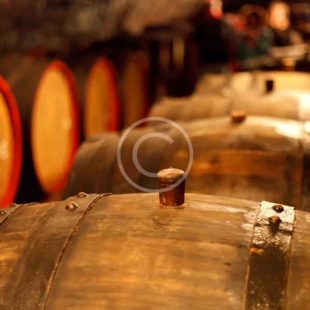


Burgundy wine (French: Bourgogne or vin de Bourgogne) is wine made in the Burgundy region in eastern France, in the valleys and slopes west of the Saône River, a tributary of the Rhône. The most famous wines produced here—those commonly referred to as “Burgundies”—are dry red wines made from Pinot noir grapes and white wines
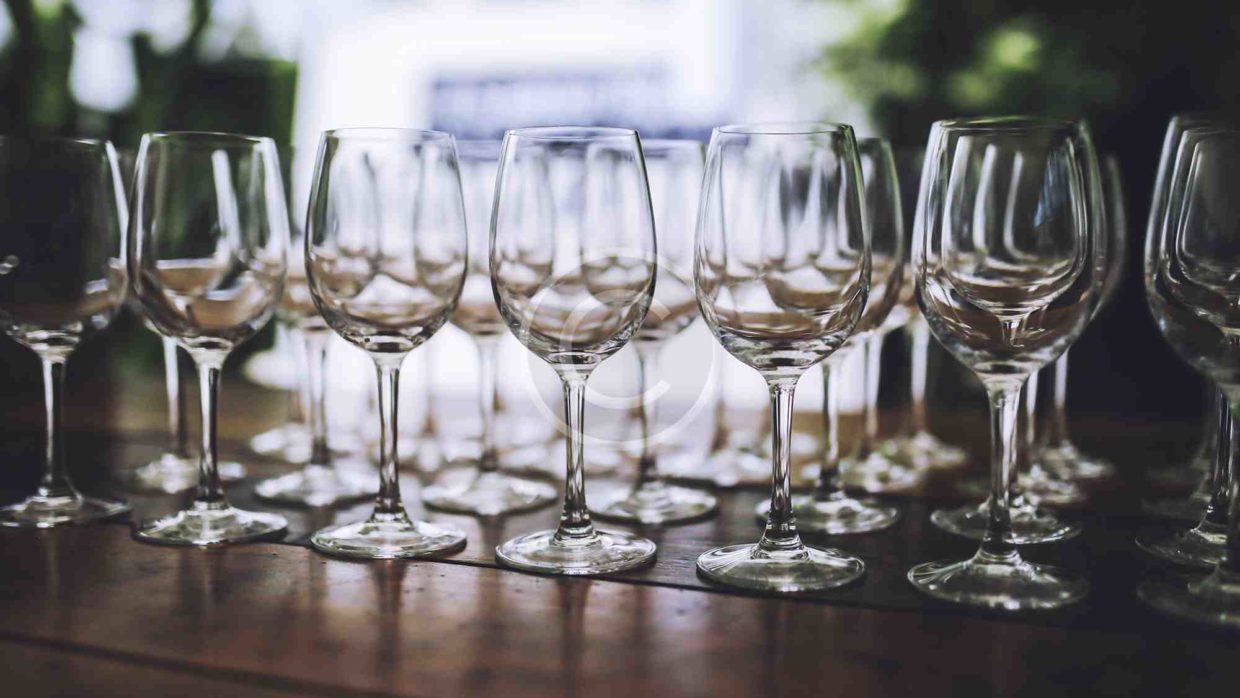




Grand Cru (great growth) is the highest level in the vineyard classification of Burgundy. There are a total of 550 hectares (1,400 acres) of Grand Cru vineyards – approximately 2% of Burgundy’s 28,000 hectares (69,000 acres) of vineyards (excluding Beaujolais) – of which 356 hectares (880 acres) produce red wine and 194 hectares (480 acres)
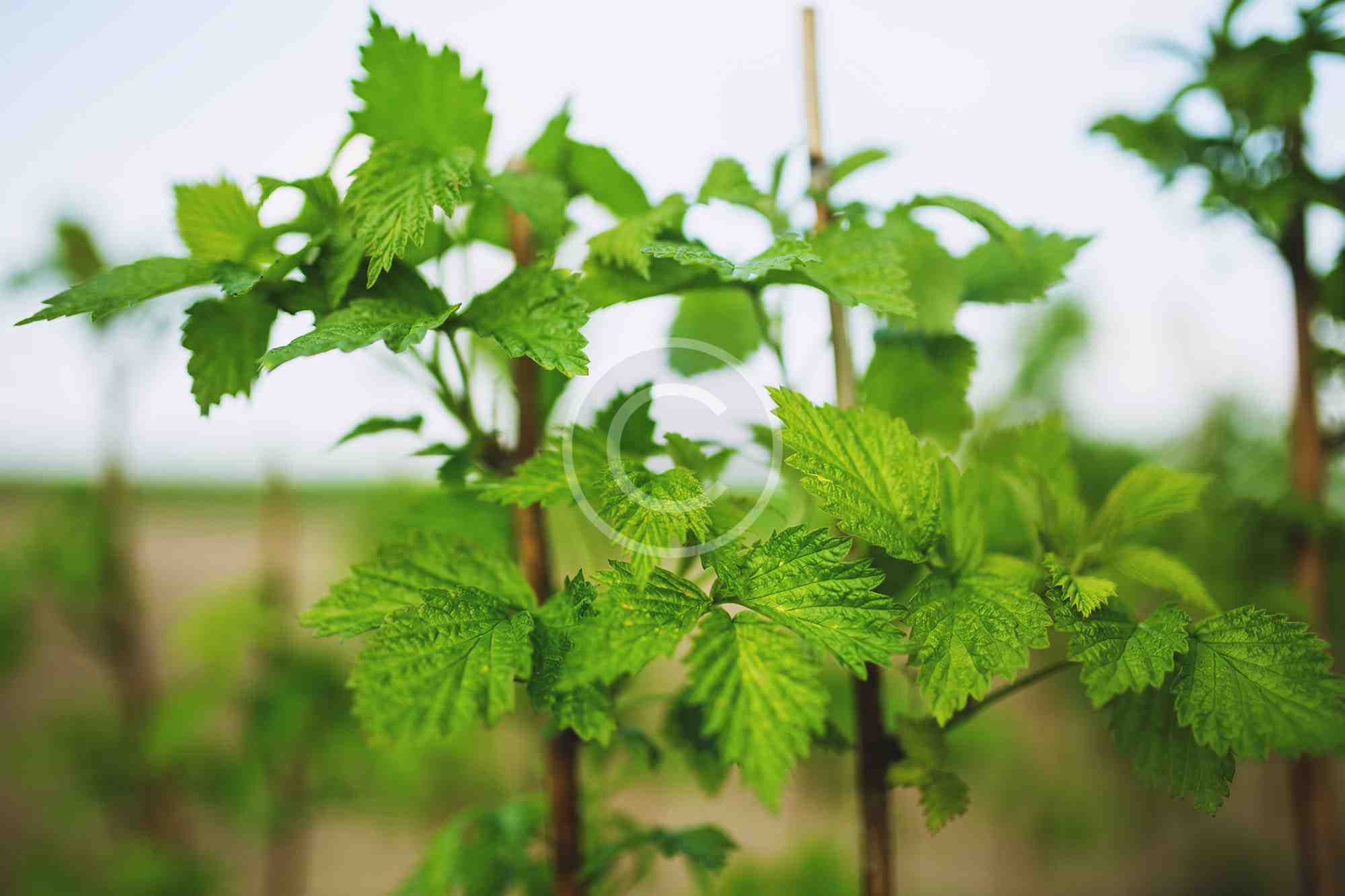
White wine is a wine whose colour can be straw-yellow, yellow-green, or yellow-gold coloured. It is produced by the alcoholic fermentation of the non-coloured pulp of grapes which may have a white or black skin. It is treated so as to maintain a yellow transparent colour in the final product. The wide variety of white
